Gameplay observations come from the supplied footage. Store details and player feedback are identified separately.
Does the course create a dramatic arc, or only a sequence of resets and obstacles?
The opening establishes a stage, not a motive
The recording opens with a countdown and a group of avatars on floating platforms. That is a clean scene-setting device: the audience knows a run is about to start. But the clip provides no legible character goal beyond moving through the course. Around 01:15, a restart dialog changes the scene into recovery; the reason for failure is not visible enough to function as story information.
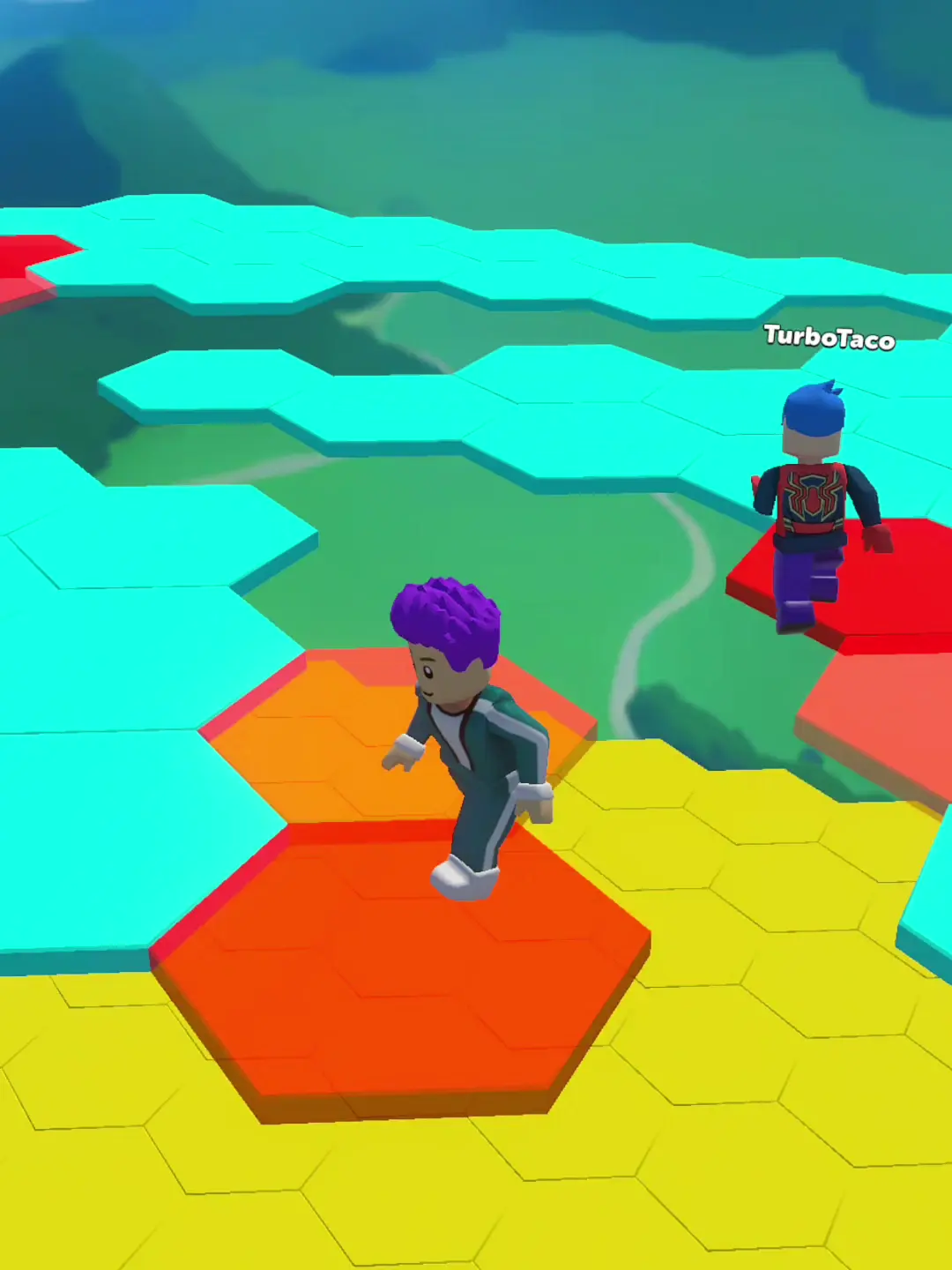
Gameplay footage · 00:13
A transition card promises more than it explains
A partially visible title card around 02:08 reads “OBBY PARK ESC…” before the later obstacle route appears. It could identify a stage, a game, or an inserted transition. The footage does not resolve which. The later course has a measurable progress bar and a finish marker, so its dramatic question is simple: can the avatar reach the end? A victory screen answers that once and offers two claims. The structure is legible, but the connective narrative is thin.

Gameplay footage · 01:08
There is no need to invent lore
The store listing pitches keyboard-themed parkour and speed gain; the supplied frames show colorful platforms and hazards but no clearly readable keyboard, dialogue, or character motivation. That absence in the sample does not prove the game has no story elsewhere. It does mean a review should not manufacture a backstory or claim a narrative arc beyond the visible attempt, interruption and finish.

Gameplay footage · 02:06
Verdict
As a short action sequence, the footage has a beginning, a reset, a transition and a visible win. As a story, it leaves its central motive unanswered. A continuity card naming the course and showing the next objective could add meaning without adding dialogue. This is a reading of the supplied footage, not a claim about the store page narrative or about unshown levels.
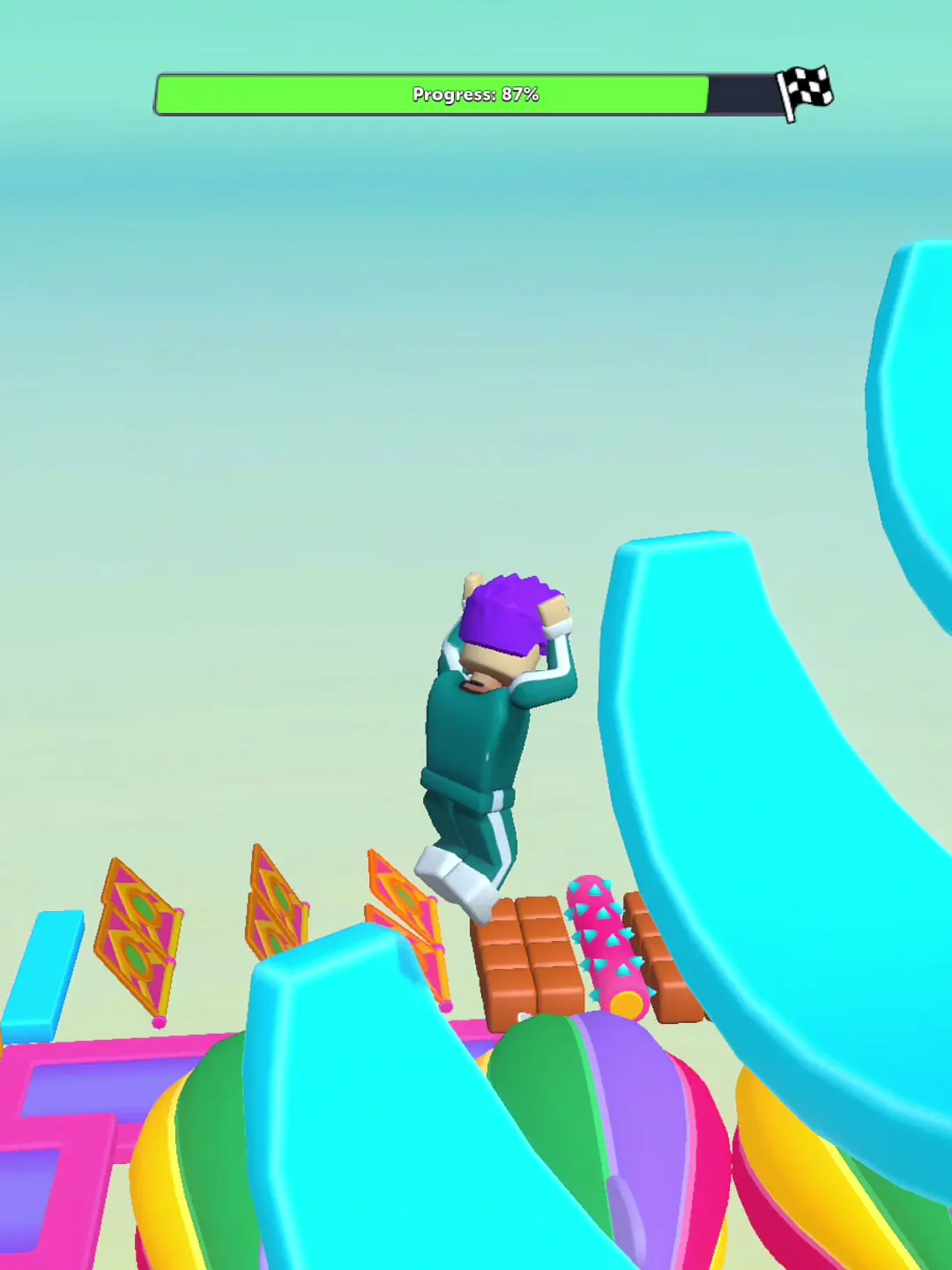
Gameplay footage · 03:47
What works
- Countdown and victory states create recognizable dramatic boundaries.
- The progress meter provides a simple visible goal.
What holds it back
- The restart event lacks readable cause and consequence.
- The transition card does not establish whether the footage changes stage or source.
A script editor's lens: transitions without invented plot
Madeline's perspective looks for motivation and scene transitions, and she may be less receptive to games that do not tell a story. The recording supplies a beginning (countdown and player labels), a reset, a partially readable transition card, later course sections, and a victory state. That is enough to discuss sequence, but not enough to invent a protagonist's goal or a narrative premise. The transition around 02:08 interrupts one visual language and introduces another; a course name or objective card could turn that interruption into an intentional chapter break. The finish marker and claim choices provide closure to the recorded segment, though the video does not show what happens after either claim. For a player who dislikes time-limited obligations, no evidence here establishes daily missions or event pressure; the article should not imply they exist. Madeline's story-first bias is disclosed: a player seeking pure movement challenges may not need character motivation. Her useful design note is about signposting, not adding dialogue unsupported by the visible style.
What the footage cannot show
Sound, touch response, exact obstacle timing, device performance, progression rules and ad frequency remain unverified.
More from the course
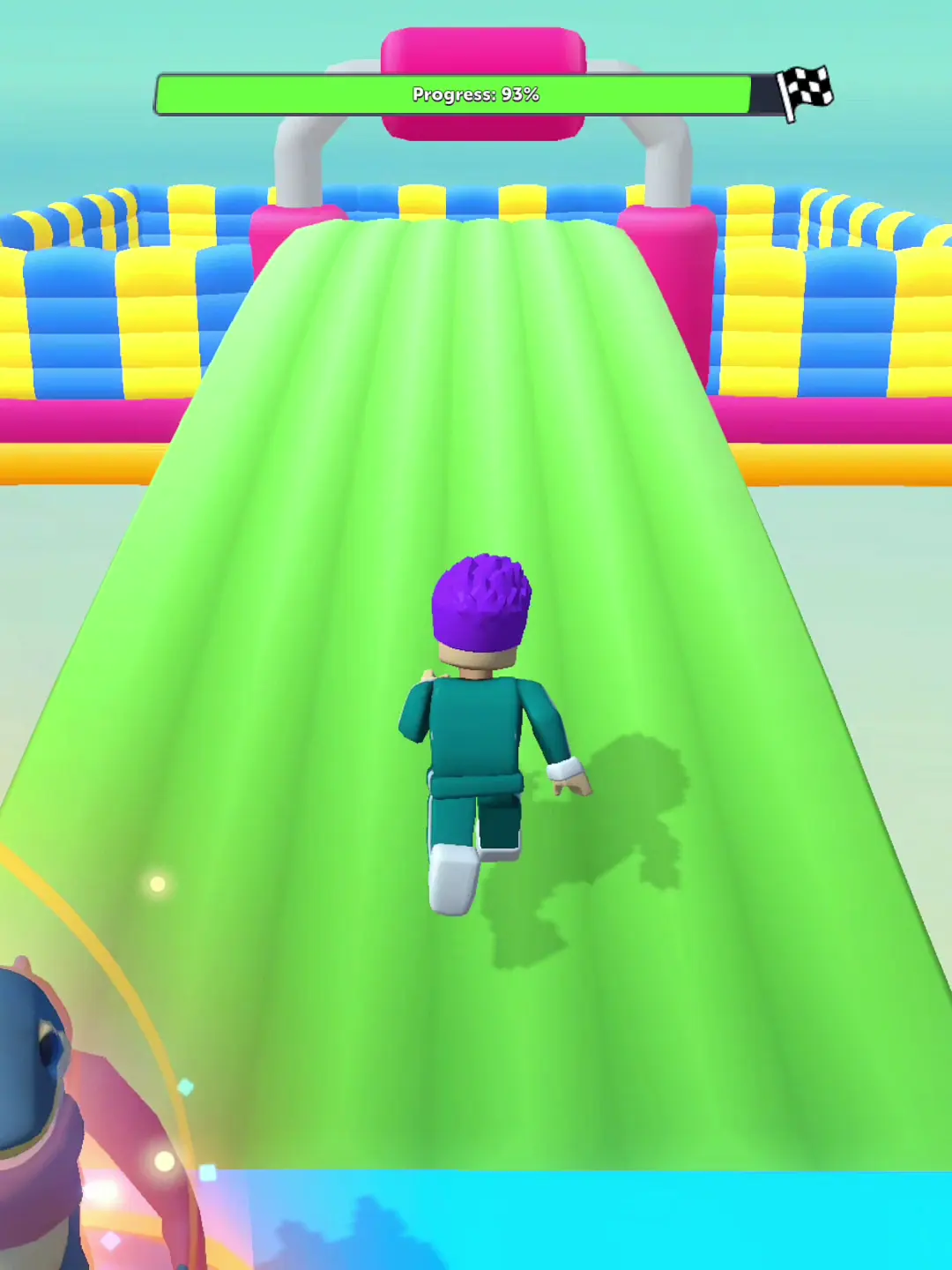
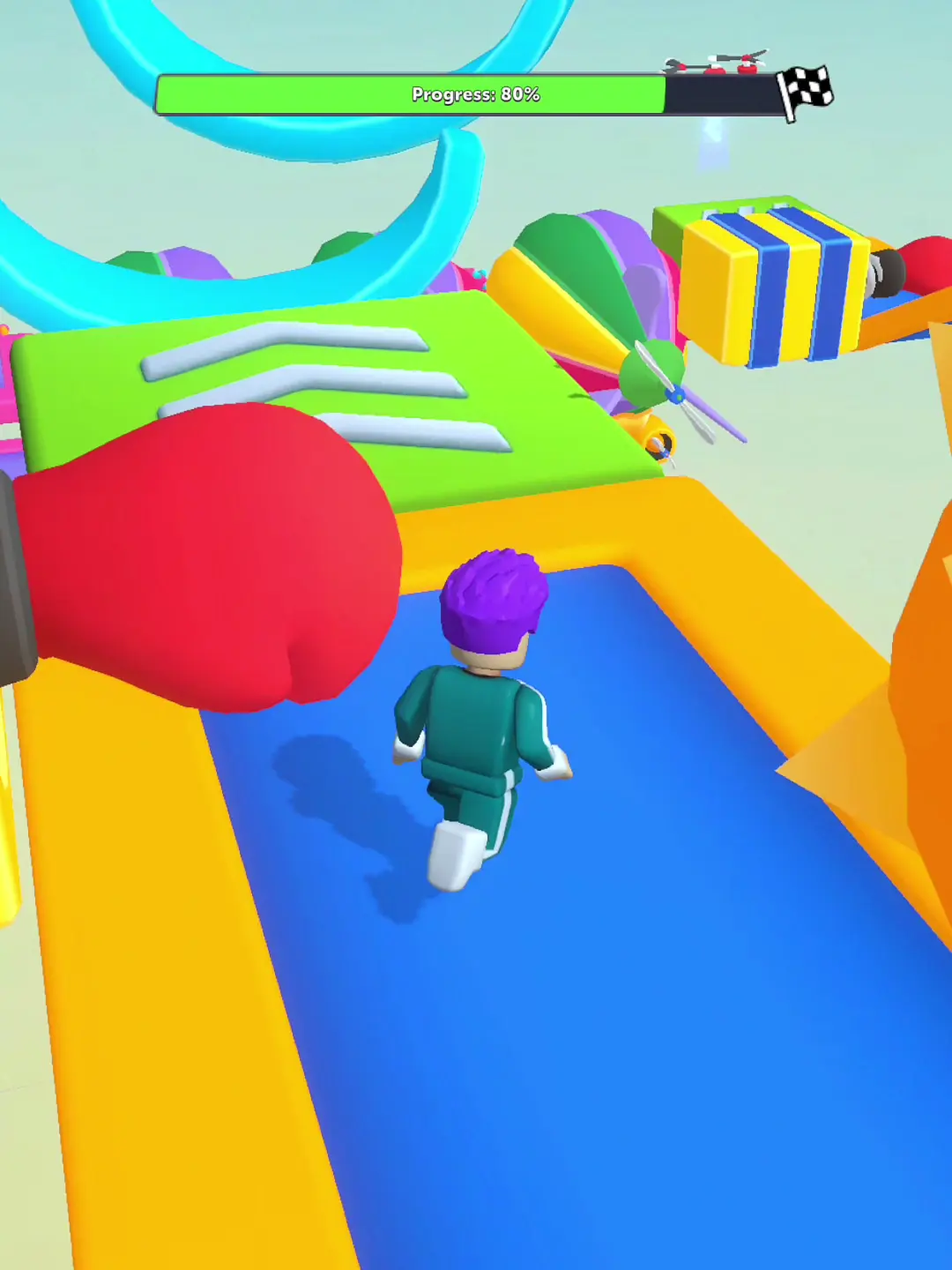
Six moments from the supplied footage, selected to illustrate the points discussed above.
What players mention
Three reviews visible on the public Google Play listing showed mixed reactions. This small sample cannot represent the wider player base.
Official Google Play page / download ↗Gameplay videos
Watch the supplied Keyboard Escape playlist.